
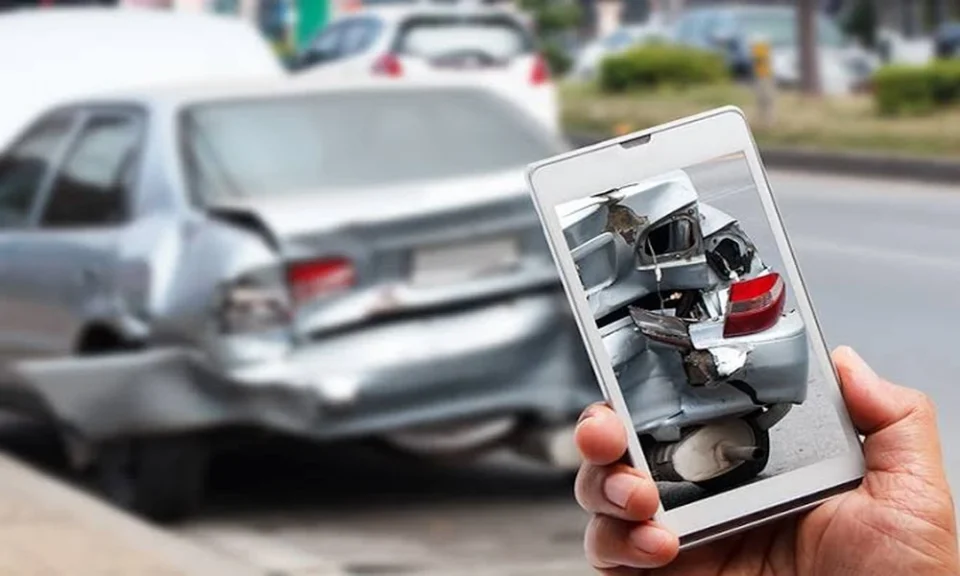
Nine out of ten drivers pull out a phone at the crash scene and start shooting the wrong things. They get the dented bumper from three angles and miss the skid mark, the stop sign, the witness who was already late for work. Then they hand the adjuster a photo album that proves nothing except that a bumper is dented.
Here’s the part that matters most: what you do in the fifteen minutes after impact can quietly decide how the next six months go. Not your driving record, not your insurance tier, not the mood of the officer who shows up. The documentation. That’s the whole ballgame, and almost nobody practices it.
This is the checklist I’d want taped to my dashboard. It covers what to capture in the first hour, the exact phrases that cost people money, and where the scene paperwork goes once you get home. If the crash turns serious and you end up needing a personal injury attorney in Scranton or anywhere else, the file you build today is the same file that gets used later. Build it like it matters.
Why scene paperwork outweighs your memory
Memory is a liar under stress. Within days of a collision, people start blending what they saw with what they heard, what the other driver told them, and what the adjuster suggested. The photos and notes you take at the scene don’t have that problem. They sit still.
Insurers know this, which is exactly why the first call you get is often framed to lock you into a version of events. The National Highway Traffic Safety Administration keeps a public database of crash reporting standards, and one thing stands out when you read through it: the physical evidence at the scene is what tells the story later, not anybody’s recollection of it. NHTSA exists to formalize what good crash data looks like, and the lesson transfers straight to your phone camera.
So your job at the scene is simple. Capture what will fade. Everything else can wait until you’re sitting on your couch with an ice pack.
The first fifteen minutes, in order
Get everyone out of traffic first. Nobody’s documentation is worth standing in a live lane. Hazard lights on, flares or cones if you have them, and if the vehicles can’t move, get yourself behind a barrier.
- Photograph the four corners of the whole scene before anything is moved, wide shots first, so the overlap between lanes, curb, and signs is visible.
- Shoot close ups of every damaged panel, plus the license plates on both vehicles.
- Get the road surface, especially any skid marks, debris, glass, or fluid, and check for a nearby stop sign, light, or driveway mouth.
- Collect names, phone numbers, insurance carriers, and policy numbers from everyone involved. Photograph their license and insurance card rather than trusting your handwriting.
- Ask the officer for the incident number before they leave. Not a photo of the report. The number.
One habit I’d add, because it saved a friend of mine a very bad week: record a short voice memo before you talk to anyone. Say the time, the weather, the direction each car was traveling, and anything the other driver said unprompted. Thirty seconds. Your future self will thank you.
Words that quietly cost you money
Two sentences do more damage at a crash scene than any bumper dent. The first is “I’m sorry.” The second is “I’m fine.”
Both feel like normal human decency. Both get written down. An apology, even a reflex one, reads as fault once it’s in an adjuster’s file, and “I’m fine” is the single most quoted phrase in injury disputes. Say nothing about blame and nothing about your body. If someone asks how you feel, the honest answer is “I don’t know yet,” and that’s a complete sentence.
The Insurance Information Institute has long tracked how claims get resolved, and the pattern holds across years: prompt, specific documentation is the thing that separates a clean claim from a fight. Start with the Insurance Information Institute if you want a plain explanation of how the claims side actually thinks. It’s worth an hour of your evening, and it’ll change how you handle the next call from an adjuster.
The witness problem
Here’s a scenario I’ve watched play out more than once. Two cars, a confusing intersection, and one person who saw everything. That witness gives you their cell number, and then your phone dies, or you punch in a digit wrong, and the number is gone.
Photograph the witness’s phone number exactly as they write it, then have them text you so the contact exists on both ends. Get their name and where they were standing. That last detail matters because an adjuster will ask, and “I don’t remember” sounds like you invented them.
If they are willing, ask for two sentences in your notes app, in their presence, describing what they saw. Not a signed statement, just a quick record while the memory is fresh. Most people say yes. Almost nobody thinks to ask.
The home file nobody builds
A folder, a name, and a deadline. That’s the whole system, and it beats every app on the market.
Create one folder on your laptop called Crash plus the date. Inside it, drop the photos, the voice memo, the other driver’s info, the incident number, and a single notes document. In that document, write down everything you remember about the hour before the crash, including where you were coming from and how much sleep you’d had. Sounds trivial. It stops a thousand small questions later.
Then the deadline. Save the folder, and set a calendar reminder for three days out to follow up with the police department about the report number and with your own insurer about the claim. Reports get delayed. Claim numbers get misfiled. Three days is enough to catch a problem while it’s still a phone call.
One more piece of paperwork worth doing in that first week: pull your own copy of the crash report once it’s available. It’s a public record, and states keep them. A lot of people never look at theirs and then find out months later that the narrative description of the crash doesn’t match what they thought happened. You can find your state’s data office through the U.S. Census Bureau if you’re not sure where to start. Read it. Correct it if it’s wrong, and do it early.
If the other side stops cooperating
Most crashes resolve without drama. Then there’s the smaller group where the adjuster goes quiet, the medical bills start stacking, and the other driver’s story changes between week one and week four. That’s when documentation stops being a personal habit and turns into evidence.
You’re not obligated to handle that alone, and there’s no prize for toughing it out. The right move is to bring someone in while the file is still fresh, before the scene photos get buried in a phone that’s about to be replaced. Whether that’s a lawyer or just a second set of eyes on the claim, do it sooner than feels necessary.
Twenty minutes of careful work at the curb is the cheap insurance. The stuff you skip doesn’t get cheaper later.
So here’s the question worth asking yourself before the next time you turn the key: if you had to hand an adjuster a folder tonight, what would be in it? If the answer is thin, spend ten minutes fixing that now, because the crash scene is not the moment to learn your system.
