
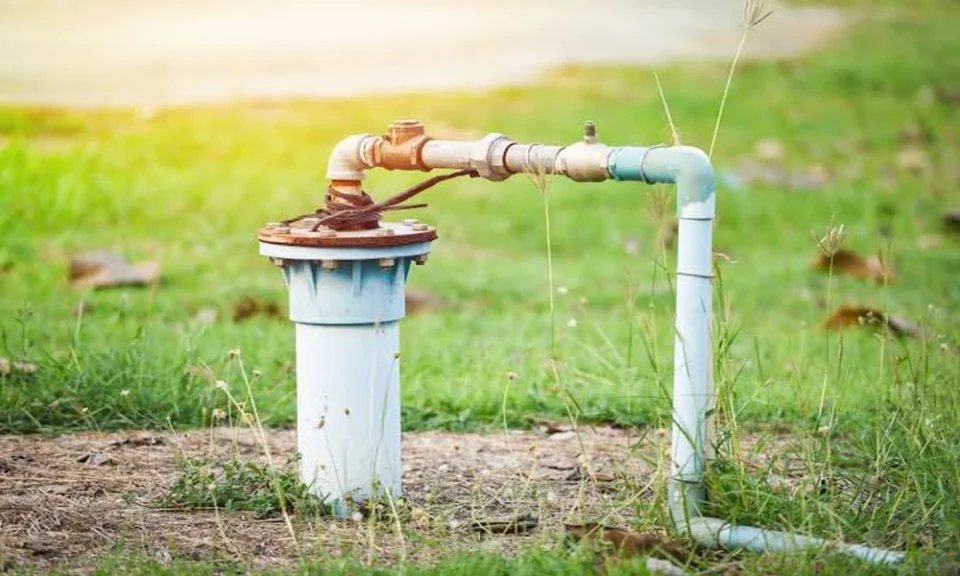
Roughly four in ten New Hampshire households drink from a private well, and almost none of them have any idea what’s actually coming out of the tap. That’s not a knock. It’s just how wells work: no utility, no annual report, no one knocking on your door with test results.
So the water is your responsibility now. That sounds heavier than it is. A little geology, a yearly test, and the right equipment will keep your family covered for decades, and you’ll stop guessing every time the faucet smells like a swimming pool.
Most homeowners learn this the hard way, usually after a fixture stains orange or a contractor’s estimate gives them sticker shock. The fix starts with understanding what’s underneath your property.
Why New Hampshire Water Is Genuinely Different
New Hampshire sits on top of fractured bedrock, and that bedrock varies enormously from town to town. A well in one part of the state can pull from granite and come up clean. Drive twenty minutes and you might be sitting over limestone or a former orchard, and now you’re dealing with hardness or something worse. If you want someone who already knows those local quirks, the NH water treatment specialists who test wells across the state can tell you what your town’s groundwater typically looks like before anyone touches a wrench.
Here’s what I’d want a new homeowner to internalize: your neighbor’s water tells you almost nothing about yours. Two wells on the same road can draw from different fractures at different depths. I’ve watched people buy a house, assume the water is fine because the previous owners never complained, and then find out six months later that the old owners just drank
bottled water the whole time.
The other wrinkle is seasonality. Spring melt and heavy rain flush surface contaminants down faster. Late summer drawdown can shift what your pump pulls. Your water isn’t one fixed thing. It’s a moving target that changes with the weather, which is exactly why a single test at closing isn’t enough.
What’s Actually in There (and Why It Matters)
New Hampshire wells show up with a fairly predictable cast of characters. Some are harmless annoyances, and some are worth treating seriously.
- Hardness. Calcium and magnesium, harmless but brutal on water heaters and dishwashers.
- Iron and manganese. The orange and black staining crowd, plus that metallic taste in your coffee.
- Low pH. Acidic water that quietly eats copper pipes from the inside out.
- Radon. Common in granite-heavy areas, and it can off-gas into your home.
- Arsenic and uranium. Naturally occurring in parts of the state. Odorless, so testing is the only way to know.
- Bacteria and nitrates. Usually tied to nearby septic systems or agricultural runoff.
The CDC recommends testing private well water at least once a year for bacteria and nitrates, with additional testing if you notice changes in taste, smell, or clarity. That annual cadence is the single cheapest habit you can build as a well owner.
What frustrates me is how often people treat the symptom instead of the source. They buy a filter pitcher for the kitchen faucet because the water tastes off, and never ask why it started tasting off. If your water changed, something changed underground. Find out what.
Testing: Skip the Strip, Do It Right
Home test strips are fine for a rough sniff test, and useless for a decision. They vary wildly, they degrade on the shelf, and they won’t catch the parameters that actually matter here.
Professional lab testing costs a fraction of what a treatment system costs, and it gives you a real baseline with real numbers you can compare year over year. Get a broad panel that covers bacteria, nitrates, pH, hardness, iron, manganese, arsenic, radon, and uranium. If your house is near an old orchard, add arsenic and lead to the list, since legacy pesticide use left its mark on soil and groundwater in parts of the state.
The EPA publishes guidance on private well testing and care, and it’s worth reading before you call anyone. Why? Because a good water professional will ask what you already know. Walking into that conversation with actual test results shifts the whole dynamic from a sales pitch to a diagnosis.
How often should you test after that first panel?
Annually for bacteria and nitrates. Every three to five years for the fuller panel. Immediately after any change: a new baby in the house, a flooded wellhead, a neighbor’s new septic install, or a sudden shift in taste or pressure. Write the results in one place. I keep mine in a note in my phone because I will absolutely lose a paper folder.
The Systems, Decoded
You don’t need everything. You need what your test says you need. Here’s the rough map.
| Problem | Typical Solution |
|---|---|
| Hardness, iron, manganese | Water softener, sometimes paired with an iron filter |
| Low pH | Acid neutralizer to stop pipe corrosion |
| Arsenic, uranium | Specialty filtration media rated for the contaminant |
| Radon | Aeration or granular activated carbon, sometimes point-of-entry |
| Bacteria | UV disinfection or shock chlorination, depending on the source |
| Taste, odor, chlorine, PFAS | Carbon filtration, whole-house or at the tap |
A softener plus a carbon filter covers a huge share of New Hampshire homes. What I’d resist is the temptation to buy a six-stage machine because the box looks impressive. More stages isn’t better. Matching the media to your specific contaminants is better, and it usually costs less.
The USGS tracks groundwater conditions across the country, and their data is a useful reality check when someone tells you a contaminant “isn’t a problem around here.” Geology doesn’t care what the local rumor mill says.
A Practical Walkthrough for New Well Owners
Here’s the order I’d do this in, whether you just bought the place or you’ve been on the well for years and never looked into it.
- Find your well. Locate the wellhead, the pressure tank, and any paperwork from the driller. Knowing your well’s depth and casing type saves everyone time.
- Get a real lab test. Not a strip. A panel that covers the contaminants common in your region.
- Read the results carefully. Pay attention to secondary standards too, not just the health-based ones. Staining and taste count.
- Match treatment to the numbers. No guesswork, no bundle deals that include equipment you don’t need.
- Handle the whole house, not just the kitchen. Bathing, laundry, and your plumbing all matter. Point-of-use only solves drinking water.
- Re-test after installation and every year after. Equipment drifts. Filters exhaust themselves. You want proof it’s working, not faith.
- Write down maintenance dates. Filter changes, salt refills, UV lamp swaps. Put them in your calendar with reminders.
Notice that four of those seven steps happen before you spend a dollar on hardware. That’s deliberate. The most common expensive mistake in this entire process is buying a solution before you’ve confirmed the problem.
Picking Someone Who Won’t Sell You the Wrong Thing
Ask three questions. What does my test result actually mean? Why this specific system and not the cheaper one? What’s the maintenance schedule and what will it cost me annually?
A straight answer to all three is the whole ballgame. If someone can’t explain their recommendation in plain language, they’re either guessing or upselling, and neither one helps you. I’d also want a company that tests before it sells, every single time, because a shop that leads with a free water test is a shop that plans to be around when you need service in year eight.
The other thing worth checking: whether they’ll service equipment you already own, or only the brands they sell. Life gets easier when your provider isn’t locked into one product line.
Better Water Is a Maintenance Habit
Testing your well isn’t a one-time chore, it’s a yearly rhythm that keeps you ahead of problems instead of reacting to them. Test, interpret, treat, verify, repeat. Do that and you’ll never be the household hauling bottled water to the kitchen.
So here’s your next move: find the last test result for your well, and if there isn’t one, schedule it this month. It’s the cheapest insurance a well owner can buy, and everything else gets easier once you have the numbers in hand.
