
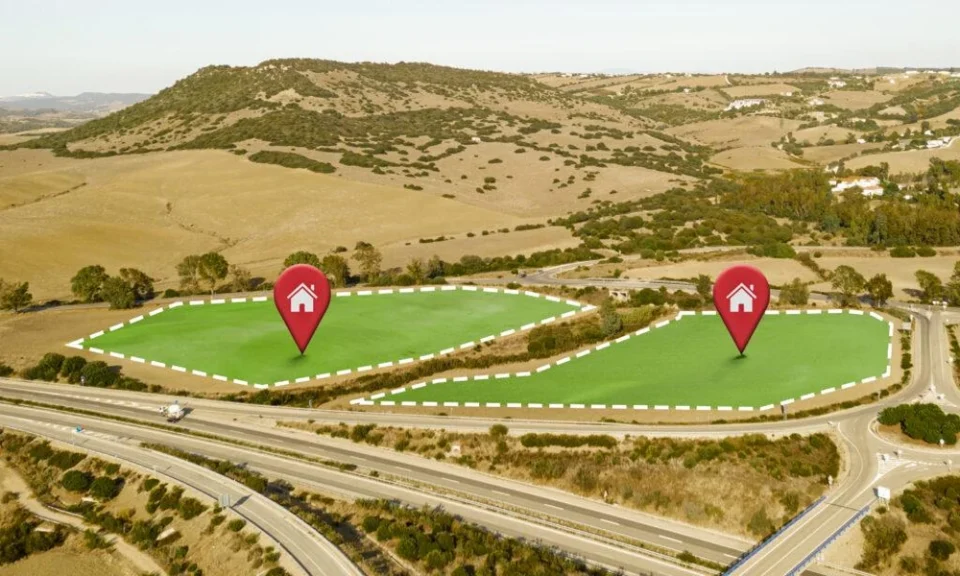
Buying rural land creates opportunities for building, farming, recreation, or long-term investment, but every parcel deserves careful evaluation before an offer is made. Land can vary significantly in access, terrain, and development potential, even when properties are located close to one another. Careful research helps buyers avoid unexpected costs and choose land that supports future plans.
Working with a White County realtor who understands local land transactions can make the evaluation process much clearer. Rural properties in White County may include mountain acreage, agricultural land, or parcels near popular destinations, and every property requires close attention to features such as access, zoning, utilities, drainage, and future use. Local knowledge helps buyers identify important details before making a purchase.
Confirm Property Access And Boundaries
A beautiful parcel has limited value without dependable legal access. Buyers should confirm that recorded easements, shared driveways, or private roads provide reliable entry throughout the year. Reviewing a recent survey also helps verify property lines and prevents future boundary disputes.
Review Recorded Easements
Road access agreements, utility easements, and neighboring property rights should match public records. Clear documentation reduces uncertainty before closing. Any restrictions should support the intended use of the property.
Evaluate Land Conditions Before Purchase
Natural features influence construction costs and long-term usability. Mountain slopes, drainage patterns, and soil quality may affect building plans, septic installation, and erosion control. These conditions deserve professional review before completing the transaction.
Check Utilities And Soil Suitability
Utility access should be confirmed before buying rural land because service availability can affect construction costs and daily use. More than 43 million Americans, or about 15% of the population, rely on private wells for drinking water. Buyers should verify well feasibility, water quality, electrical access, septic suitability, and internet availability before closing.
Verify the availability of:
- Electric service
- Water supply through public lines or a well
- Septic system suitability
- Internet availability
- Soil conditions for planned construction
Understand Local Zoning And Future Use
County regulations determine how rural land may be developed. Zoning classifications, setback requirements, agricultural rules, and subdivision restrictions should align with planned improvements. Reviewing these requirements early prevents delays after the purchase.
Consider Long-Term Property Goals
Future plans may include:
- Building a primary residence
- Creating a recreational retreat
- Using acreage for agriculture
- Holding land as a long-term investment
Review Nearby Development And Surroundings
The surrounding area can influence property value and daily enjoyment. Nearby residential growth, commercial activity, road improvements, and tourism traffic may affect future conditions. White County includes residential communities, mountain properties, acreage, agricultural land, and areas near recreational destinations, making location an important part of every purchase decision.
Inspect Documentation Before Closing
Property records deserve the same attention as the land itself. Buyers should review deeds, tax records, surveys, title information, and any existing restrictions before completing the purchase. A qualified White County realtor can help identify documentation that supports an informed decision and reduces avoidable surprises during closing.
Careful preparation makes rural land purchases more predictable and practical. Confirming access, evaluating land conditions, reviewing regulations, and examining documentation provide a stronger foundation for future ownership. A thorough review before closing helps buyers move forward with confidence while selecting property that fits their long-term plans.
Find A Realtor in White County Who Evaluates Land Beyond The Listing
A qualified real estate professional reviews property access, boundary records, zoning requirements, utility availability, and land characteristics before a purchase moves forward. This guidance helps identify concerns that may not appear in a listing and supports informed decision-making. Careful evaluation also helps buyers select land that aligns with their intended use and long-term ownership plans.
Buying rural land requires attention to details that influence future construction, property use, and ongoing value. Thorough research, complete documentation, and professional guidance help reduce uncertainty before closing. Careful planning from the beginning supports a more confident purchase and fewer unexpected challenges after ownership.
