
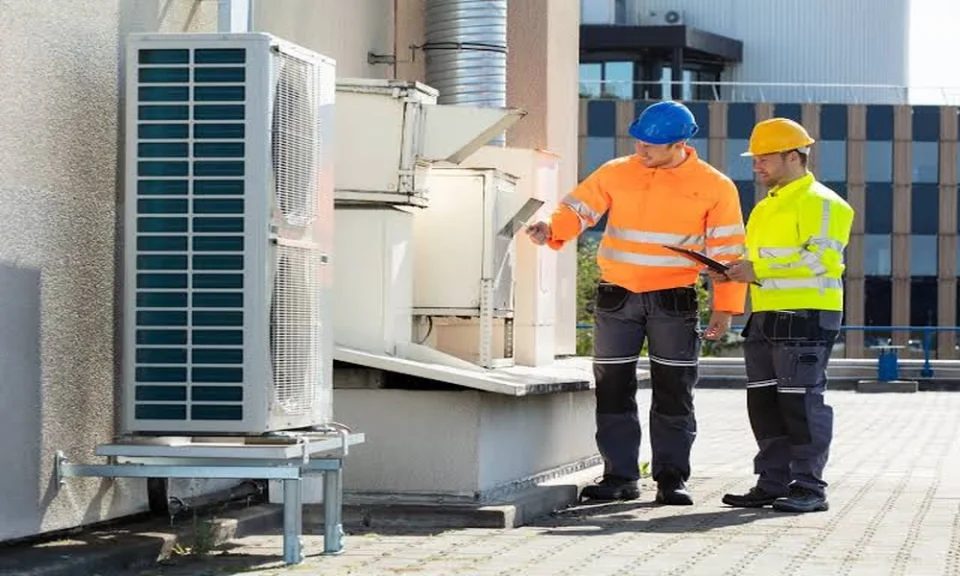
Forty-eight hours. That’s roughly how long a slow pipe leak in an exterior wall stays manageable before it becomes a ceiling collapse, a mold issue, or a forced closure. For commercial buildings in Montana, where January temperatures in Butte can drop well below zero for days at a stretch, the margin between a minor repair and a catastrophic one is thin. Most building owners learn this the expensive way. The smart ones build a seasonal checkup rhythm before the cold arrives.
This isn’t about being cautious. It’s about math. The costs stack up fast when you’re reactive, and the case for proactive maintenance in a cold-climate state is almost embarrassingly straightforward.
The Real Price of Waiting
Emergency repair rates tell the story clearly. Emergency service premiums typically carry 50 to 100 percent markups over standard rates, meaning a $500 repair during business hours can become $750 to $1,000 at midnight. That’s before you factor in expedited parts, water damage remediation, or the revenue lost while your building sits idle.
The cumulative picture is worse. According to a 2024 study, regular preventive maintenance can reduce overall maintenance expenses by up to 30%. For a mid-size commercial property spending $80,000 annually on building upkeep, that’s $24,000 left on the table every year by skipping scheduled service.
Reactive management doesn’t just cost more per incident. It trains your systems to fail at the worst possible time. Aging pipes stay in service too long. Boilers go uninspected until they quit on the coldest night of the year. A commercial building treated as “fix it when it breaks” is a building operating on borrowed time, and the clock tends to run out in February.
Montana’s Climate Creates a Specific Threat Profile
Not all commercial buildings face the same plumbing and heating risk. Montana’s situation is genuinely different from states with mild winters, and it shapes the maintenance calculus significantly.
Montana spans Department of Energy Climate Zones 6 and 7, with design heating temperatures that reach -20°F or colder in cities including Billings, Missoula, Great Falls, Bozeman, and Helena. Butte sits at over 5,500 feet in elevation, which pushes those lows even further. A boiler or heating system running in that environment is working at full load for months, not weeks.
That sustained stress changes what “acceptable wear” looks like. A boiler seal that would last eight years in Phoenix may fail in five years in Butte. Pipe insulation that handles a Nashville winter barely slows down a Montana freeze event. The service intervals and inspection standards appropriate for warmer climates are genuinely inadequate here.
Montana’s extreme winter temperatures, with recorded lows reaching -70°F at Rogers Pass, make freeze protection one of the most operationally critical areas of plumbing practice in the state. That isn’t hyperbole. It means that freeze protection is a core design and maintenance concern, not an afterthought.
“Buildings with properly maintained, well-zoned heating rarely experience freeze damage. If your building has inconsistent temperatures or perpetually cold areas, you’re at elevated freeze risk.” – Commercial HVAC winter preparedness guidance on preventing frozen and burst pipes in commercial facilities.
That observation holds across every commercial building type. A single pipe failure in an exterior wall can run $50,000 to $200,000 when you add water damage, temporary closure costs, and emergency labor. For a restaurant, hotel, or office building in Butte, that’s not a theoretical number. It’s a real outcome that happens to unprepared properties every winter.
The SAFE Seasonal Checkup Framework
Most maintenance programs fail not because the property owner is careless, but because there’s no structured trigger for action. A sporadic “let’s get someone in before winter” call doesn’t catch everything. The SAFE framework gives you four clear seasonal review categories to address before each critical period:
- Supply lines. Inspect all visible supply lines, shut-off valves, and exterior pipe runs for insulation gaps, corrosion, or slow weeping before temperatures drop below 20°F.
- Appliances and heating units. Boilers, water heaters, and in-floor radiant systems need burner inspections, heat exchanger checks, and pressure relief valve tests before each heating season.
- Flow and drain health. Grease traps, floor drains, and sewer laterals benefit from a late-summer cleanout so you’re not calling an emergency drain service on a holiday weekend in December.
- Efficiency gaps. Fixtures leaking just one drop per second waste roughly 3,000 gallons per year. Significant water, energy, and cost savings can be achieved with low- or no-cost changes to operation and maintenance procedures in a facility, according to the EPA WaterSense program, which offers benchmarking tools for commercial buildings at epa.gov/watersense/commercial-buildings.
Run this four-part review in late August and again in early April, and you capture the two highest-risk transition windows: the ramp into heating season and the thaw period when freeze-cracked pipes reveal themselves.
Reactive vs. Preventive: A Cost Comparison
| Scenario | Reactive Approach | Preventive Approach |
|---|---|---|
| Drain blockage | Emergency call: $300-$1,200+ | Scheduled cleanout: $150-$400 |
| Burst pipe (winter) | Repair + water damage: $5,000-$25,000+ | Pre-season insulation check: $200-$600 |
| Boiler failure | Emergency replacement + downtime: $8,000-$30,000 | Annual service contract: $500-$2,000/year |
| Fixture leak (chronic) | Water bill creep + floor damage: $1,000-$5,000+ | Quarterly inspection catch: $100-$300 |
The numbers above reflect typical commercial service ranges and are consistent with findings from Property Manager Insider’s 2024 analysis of commercial maintenance cost reduction strategies, which documented the 30% savings potential from switching to a preventive model. Every row in that table tells the same story: the preventive number is smaller, predictable, and scheduled on your terms.
What to Look for in a Commercial Service Partner
Not every plumber who handles residential calls is equipped for commercial work. The systems are larger, the building codes are stricter, and the stakes per incident are higher. When you’re evaluating who to work with, prioritize three things.
First, look for a contractor who handles both plumbing and heating under one roof. Splitting those two disciplines between different vendors creates coordination gaps, and gaps are where problems hide. Second, ask specifically about experience with commercial boilers and in-floor radiant heating, since those systems require specialized knowledge that general plumbers don’t always carry. Third, confirm they’re familiar with Montana’s specific code requirements, which govern frost-depth compliance, pipe burial minimums, and hydronic system standards under the Montana Uniform Plumbing Code.
For businesses and property managers operating in southwestern Montana, the Montana HVAC Authority’s winterization guidance outlines the DOE climate zone requirements that licensed contractors in the state work within, which is useful context when reviewing a service proposal. Providers offering commercial plumbing and heating services in Butte, MT should be prepared to address freeze protection, boiler readiness, and seasonal code compliance as part of any comprehensive service plan.
Build the Habit Before You Need It
The building owners who avoid catastrophic plumbing and heating failures in Montana are not lucky. They scheduled a checkup in September. They got a drain cleaned in July before it became a health code violation in December. They had a plumber look at the boiler heat exchanger while there was still time to order parts at standard pricing instead of emergency-procurement pricing.
Cold climates don’t give you much runway between “minor issue” and “major event.” The seasonal checkup habit is the only thing standing between your commercial property and a very expensive winter. Schedule the first one now, before the temperatures give you no choice.
