
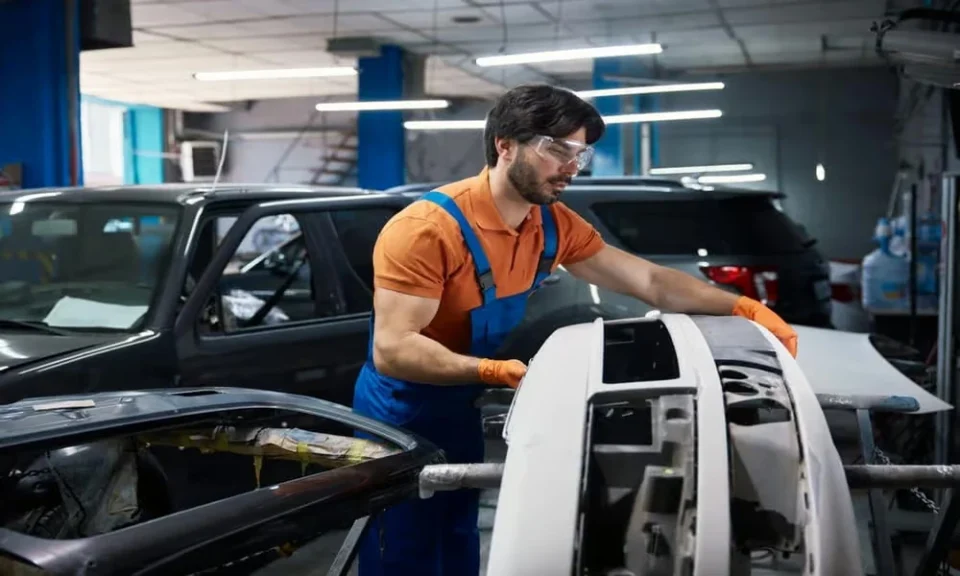
Accurate collision repair starts with a clear process rather than quick visual judgment. The toyota of boerne collision center topic usually brings attention to frame alignment, body panel condition, surface preparation, and paint matching. Each area needs separate checks before repair work moves forward.
People searching for this subject often want to understand what proper repair involves. They may also want to know how structural work connects with exterior finishing. A lack of structure can create missed damage, uneven results, or repeated work.
Start with A Clear Process
A planned approach keeps each repair stage connected to the next. Guesswork can overlook hidden damage or create unnecessary adjustments. A simple process makes inspection findings easier to follow.
- Inspect visible damage before removing affected panels.
- Check structural areas before beginning exterior finishing work.
- Record measurements before making alignment adjustments.
- Confirm panel positioning after structural correction.
- Prepare surfaces before applying paint materials.
- Compare finished areas under suitable lighting conditions.
Measure Before Making Adjustments
Frame alignment depends on accurate measurements rather than visual judgment alone. Technicians compare affected areas against suitable reference points before making corrections. This approach helps identify movement that may not be obvious from outside.
Real conditions can make measurements harder when several sections are damaged together. Access may also be limited around certain areas. Rechecking measurements after adjustments helps reduce errors.
Prepare Surfaces Before Painting
Paint quality depends heavily on surface preparation. Damaged areas need cleaning, smoothing, and suitable preparation before new coating is applied. The surrounding surface should also be checked for differences that could affect the finished appearance.
Lighting can change how colors appear during inspection. Dust or uneven preparation may also affect the result. Careful preparation reduces these problems without relying on appearance alone.
Connect Structural and Paint Work
Structural repair should generally receive attention before final surface work begins. Once alignment is corrected, panels can be fitted and checked. Paint preparation can then follow when the body surface is ready.
When reviewing services associated with toyota of boerne collision center, it helps to consider the order of these tasks. One stage should support the next rather than operate separately.
Follow A Practical Repair Plan
A simple sequence makes complicated repair work easier to manage. Each stage should be completed and checked before the next begins.
- Begin with a complete damage inspection and written assessment.
- Remove affected sections when closer inspection becomes necessary.
- Measure structural points before making controlled corrections.
- Recheck alignment after structural adjustments have been completed.
- Fit exterior panels and inspect surrounding gaps carefully.
- Prepare repaired surfaces before applying finishing materials.
- Compare paint results against nearby sections under proper lighting.
- Complete a final inspection before returning the vehicle.
Common Problems During Repair
Many repair difficulties begin when visible damage receives all the attention. Hidden movement can remain unnoticed until later stages. Rushed surface preparation can also create problems after paint application.
Conditions can change once panels are removed. Additional damage may then become visible. Repair plans may need adjustment when new findings appear. Clear communication helps explain such changes without creating unnecessary confusion.
Consistency Improves Repair Control
Good repair work benefits from repeated checking rather than one inspection at the end. Measurements should be reviewed after important adjustments. Surface preparation should also receive attention before finishing materials are applied.
Consistent records make these checks easier to follow. They show what was inspected and which areas required correction. Over time, this repeatable approach can reduce avoidable mistakes and improve control across different repair situations.
Frequently Asked Questions
- What should happen before frame repair begins?The damaged areas should be inspected and measured before structural adjustments begin.
- Why are measurements important during structural repair?They help identify alignment changes that may not be visible externally.
- When should paint preparation begin?Surface preparation should begin after body correction and panel fitting are complete.
- Can hidden damage appear after inspection?Yes, additional concerns may become visible after damaged panels are removed.
- How are paint results checked?Technicians compare the repaired surface with nearby areas under suitable lighting.
- What happens during the final review?The repaired structure, panels, surfaces, and finish receive a complete inspection.
A dependable repair process is built through clear stages and repeated checks. Structural alignment should be confirmed before finishing work begins. Paint preparation should receive the same attention as visible finishing. Consistency matters because accurate results rarely come from one quick inspection. Careful execution, review, and adjustment provide a more practical path toward dependable repair work.
