
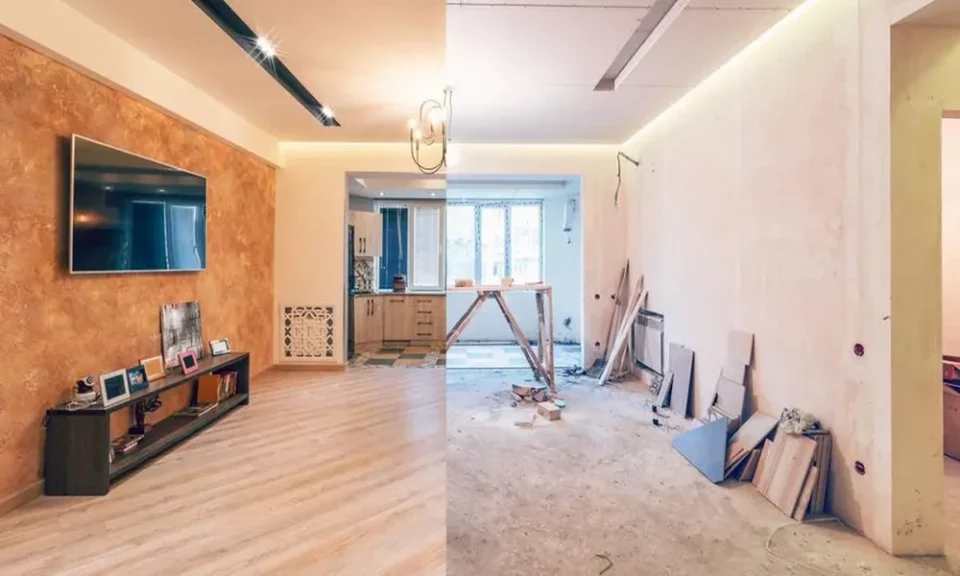
Every homeowner who has lived through a remodel knows the feeling. The crew was here all week, walls came down, and the house was full of noise. Then Monday arrives and the house is silent. No trucks, no tools, no one on site. The room sits there, half finished, and a quiet panic sets in. Did they forget about us?
Almost always, the answer is no. Those quiet days are not a sign that work has stopped. They are a built-in feature of how buildings come together. Some of them are unavoidable, some can be shortened with planning, and a few are a genuine warning sign. Knowing which is which is one of the most calming things a homeowner can learn. This article is general information, and your own project will have its own schedule.
The Quiet Days Where Materials Are Still on a Truck
The most common gap has nothing to do with labor. It is the wait for materials. Custom cabinets, windows, specialty tile, and certain appliances are often made to order, and lead times can stretch for weeks or months. A project can be fully ready to proceed, with every trade available, and still stall because one item has not arrived.
This is why experienced contractors push so hard for selections early. A decision made in week one can mean a delivery on schedule in week ten, while the same decision made in week six can mean a long pause. If you have ever wondered why a builder keeps asking you to pick a faucet, this is the reason. It is also worth asking at the start which items have the longest lead times and when the order has to be placed.
The Quiet Days Where Wet Things Need to Dry
Buildings are full of materials that are applied wet and must harden before anything else can happen. Joint compound on drywall goes on in coats, and each needs to dry before sanding. Concrete cures over days. Tile adhesive and grout set on their own schedule, and waterproofing membranes have specific cure times that cannot be rushed. Fresh paint and finish coatings need time between layers.
Skipping these waits is how problems are born. Tile laid over a membrane that has not cured can fail. Paint applied to damp plaster can bubble. A crew that appears to be sitting idle might actually be protecting the quality of everything that comes after. When a contractor tells you the floor needs another day, they are usually protecting you from a repair you would otherwise be paying for in a year.
The Quiet Days Waiting for an Inspector
Most significant remodeling work requires permits, and permits mean inspections at certain stages. Framing, electrical, plumbing, and insulation are commonly checked before they are covered up, because nobody can inspect a wire after the drywall goes on. The builder cannot proceed until the inspector signs off, and the inspector works on the municipality’s schedule, not the project’s.
Sometimes this causes a gap of a day or two. Occasionally it causes more, especially when offices are busy. A contractor who knows the local process well can sequence the work to minimize these waits, scheduling inspections early and keeping other tasks ready to go. Ask your builder how inspections will be scheduled and what happens if one fails, since a failed inspection simply means a correction and a reinspection, and is not a disaster.
The Quiet Days Between Trades
A remodel is a relay race. The demolition crew hands off to the framers, who hand off to the plumbers and electricians, who hand off to the insulators, then the drywall crew, then the painters, and onward. Each trade needs the previous one to be finished, and each has other jobs on other sites.
When one trade runs long, everyone behind it shifts. A plumber delayed by a prior job on Tuesday can push the electrician, which pushes the drywall crew, and so on. Good project management is largely the art of keeping the baton moving, confirming each handoff in advance, and having backup options when a trade slips. If your contractor communicates clearly about who is coming next and when, the quiet days feel much less mysterious.
The Quiet Days Where Something Unexpected Was Found
Open a wall in an older house and surprises happen. Hidden water damage, rotted framing, outdated wiring, plumbing that does not match the drawings, or materials that need special handling can all stop work while the team figures out the right response.
Homes built before 1978 may contain lead-based paint, and the rules for renovating them are specific. The U.S. Environmental Protection Agency explains its Renovation, Repair and Painting program, which requires certain practices when work disturbs painted surfaces in older housing. A responsible contractor will know these requirements and will not skip them, even if it adds a pause.
An honest builder will tell you what they found, show you photos, explain the options, and give you a price before proceeding. A pause for a legitimate surprise is not a delay caused by carelessness. It is the project working as it should.
The Quiet Days That Are Waiting on You
This is the uncomfortable one. Sometimes the project is paused because a decision has not been made. A paint color, a fixture, a layout question, or an approval of a change order can hold up a whole sequence of work. Homeowners rarely realize that their own pace sets the pace of the project.
The remedy is simple, though not always easy. Ask your contractor for a list of decisions and their deadlines, and treat those deadlines as seriously as the crew treats the work. Delay in decisions is one of the most common and most avoidable sources of delay.
The Quiet Days Caused by Weather
Exterior work depends on conditions. Roofing, siding, foundation, concrete, and painting all have limits on temperature, moisture, and wind. A rainy week can push exterior schedules, and the effects ripple into the interior work that depends on a weathertight shell. A good schedule includes some cushion for this, particularly in seasons with unreliable weather.
When a Quiet Day Is a Warning Sign
Not every silence is benign. It is worth raising concerns if the site is quiet for long stretches with no explanation, if calls and messages go unanswered, if the schedule changes repeatedly without clear reasons, or if the contractor asks for payment well beyond the work completed. These patterns can indicate a company stretched too thin or a project running into financial or management trouble.
The difference between a healthy pause and a troubling one is communication. A good contractor tells you in advance why the site will be quiet, what is being waited on, and when work will resume. A poor one leaves you to guess.
Questions That Turn Silence Into Information
You can reduce anxiety dramatically by asking a few questions at the start of the project and revisiting them along the way.
- What are the longest lead time items, and when must I decide on them?
- Where in the schedule do you expect natural pauses, such as curing or inspections?
- How will you let me know when the site will be quiet and why?
- Who is the day to day contact if I have a question?
- What decisions do you need from me, and by when?
- How do you handle surprises, and how will changes be priced and approved?
A builder who answers these willingly is one who has thought about the rhythm of a project.
Choosing a Team That Plans for the Quiet
The best protection against confusing downtime is a contractor who maps it out in advance. If you are looking for a local team, you could contact JBJ Building & Remodeling Inc to ask about their process and how they communicate during a project. Whoever you speak with, ask to see a sample schedule, ask how they manage trades and inspections, and ask for references from customers whose projects ran for a similar length of time.
The Takeaway
A remodel is not a continuous stream of activity. It is a pattern of bursts and pauses, and many of the pauses are the sign of good building rather than bad management. Materials arrive, plaster cures, inspectors visit, trades hand off, and decisions get made. When you understand what each kind of quiet means, a silent house stops feeling like a problem and starts feeling like part of the plan. Ask early, expect some gaps, and insist on clear communication, and the empty days will become far easier to live with.
