
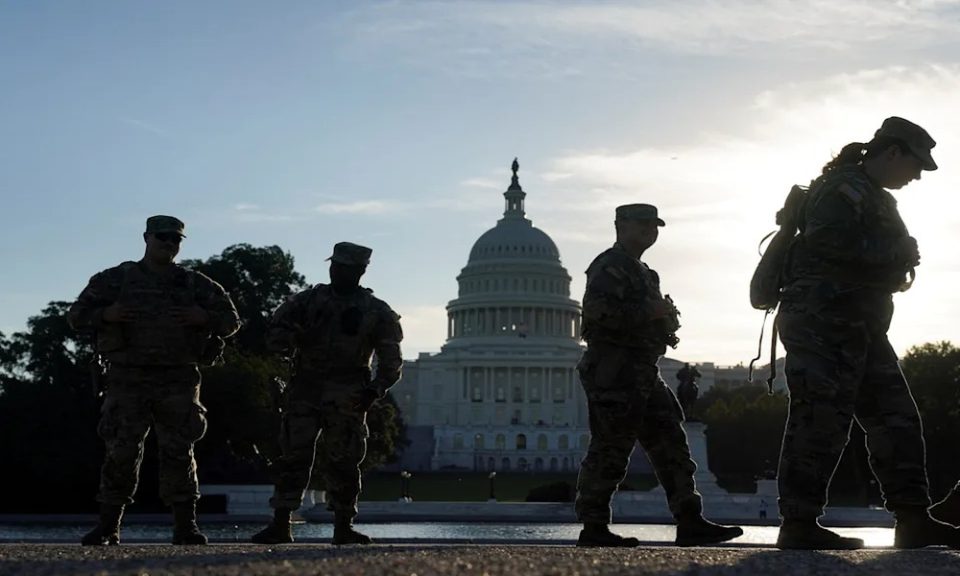
The U.S. Army Corps of Engineers operates a substantial Texas presence through its Fort Worth District and Galveston District, managing water resources infrastructure, flood control projects, navigation channels, and regulatory programs across the state. Its civilian workforce in the Dallas-Fort Worth area includes civil and structural engineers, project managers, environmental specialists, geologists, contract specialists, and administrative personnel who carry out one of the most operationally complex missions in the federal government under an organizational structure that has no direct parallel elsewhere in the civil service. That structure – uniformed Army officers serving as commanders at every level of the organization, directing a civilian professional workforce that actually delivers the Corps’ technical work – creates a specific employment environment that shapes how disputes arise, how they escalate, and what both the employee and any Dallas federal employee attorney need to understand before assessing the legal landscape.
The Military Commander / Civilian Workforce Dynamic
The Army Corps of Engineers is technically part of the Department of the Army, and like the Army generally, its district and division commands are led by military officers – typically lieutenant colonels or colonels for district commands, brigadier generals for division commands. Those commanding officers have authority over all operations within their command area, including the supervision of civilian personnel who report within the organizational hierarchy.
For civilians employed at the Fort Worth District or the Galveston District, this creates a specific management context that differs from what applies at civilian agencies like the IRS or SSA. The commanding officer is not a civilian manager subject to the same institutional incentives around HR compliance that civilian agency managers face. Military culture around hierarchy, mission priority, and deference to command authority shapes the environment in which civilian employees work, and that culture can create friction when civilian employment rights – the right to raise EEO concerns, to make protected disclosures, to challenge supervisory conduct – run against the command structure’s institutional norms.
Civilian employees at the Corps who experience discriminatory or retaliatory treatment often find that the conduct they experienced came from or was enabled by personnel within the military command structure – officers or senior NCOs who have supervisory authority over civilians but who are not themselves subject to the same civil service accountability mechanisms. The EEO complaint or adverse action defense must be brought against the employing agency – the Army – rather than against the individual commander, but understanding who made the decisions and what authority structure shaped them is essential to building the factual record effectively.
Corps Civilian Employees: Title 5 Protections Apply in Full
Corps of Engineers civilian employees in the competitive service – the engineers, program managers, environmental specialists, and administrative staff who make up the bulk of the civilian workforce – are Title 5 employees with the full suite of federal civil service protections. MSPB appeal rights apply to covered adverse actions. The federal EEO complaint process applies to discrimination and harassment claims. The Whistleblower Protection Act applies to protected disclosures. The 45-day counseling contact deadline runs from discriminatory acts the same way it does throughout the federal government.
What is distinct about Corps employment is not the applicable legal framework – it is the institutional context in which those rights must be exercised. A civilian employee who raises an EEO concern about a military supervisor is filing a complaint within an organizational chain that includes that supervisor’s military branch colleagues and commanders at the district and division level. The informal institutional dynamics that affect how complaints are received, who learns about them, and what informal consequences follow complaint activity in the military environment have been described by Corps civilian employees consistently across years of EEO complaint data.
The Corps’ EEO program is administered through the Army’s EEO structure, with District-level EEO advisors who serve as the initial contact point for employees initiating the counseling process. Identifying the correct EEO contact for a Fort Worth District civilian is the same 45-day threshold requirement that governs the entire federal EEO process.
Environmental and Engineering Whistleblower Disclosures: The Specific Context
The Corps of Engineers’ civil works mission creates specific circumstances for whistleblower disclosures that have no equivalent at most federal agencies. The Corps has regulatory authority over wetlands and navigable waters under Section 404 of the Clean Water Act and Section 10 of the Rivers and Harbors Act. It constructs and operates dams, levees, and flood control infrastructure. It manages navigation channels that support commercial transportation. Each of these functions creates situations where Corps employees with technical expertise may observe decisions that they believe compromise public safety, environmental integrity, or compliance with applicable law.
A Corps engineer who believes that a dam inspection report was falsified or that significant structural deficiencies were minimized in the official record has potentially observed conduct that falls squarely within the WPA’s protection for disclosures of substantial and specific danger to public health or safety. A Corps regulatory specialist who believes that a Section 404 permit was issued improperly – authorizing destruction of protected wetlands in exchange for inadequate mitigation – has potentially observed a violation of environmental law that also fits within the WPA’s protected disclosure categories.
What makes Corps whistleblower cases distinct is the intersection of technical expertise with command authority. The Corps’ mission involves complex engineering and environmental judgments that military commanders generally lack the technical background to second-guess – but which they have organizational authority to override. A civilian expert who disagrees with a commander’s decision about a technical matter, and who raises that disagreement through protected channels, is in the same professional risk environment that affects scientific whistleblowers at FDA and NIH – their expertise creates credibility for the disclosure but also creates vulnerability when management characterizes their protected disclosure as insubordination or lack of team orientation.
The WPA’s contributing factor standard applies to Corps whistleblower cases the same way it applies elsewhere in the federal government. An engineer or environmental specialist who makes a protected disclosure to the Corps IG, to the Army Audit Agency, or to Congress – and who subsequently faces adverse treatment in performance evaluations, project assignments, or formal disciplinary proceedings – has a WPA claim if the disclosure was a contributing factor in the adverse treatment.
Security Clearances at the Corps of Engineers
The Fort Worth and Galveston Districts, like the Corps generally, have a security clearance dimension that reflects the Corps’ status as a Department of Army component. Many Corps positions, particularly in the Planning and Operations functions, require Secret or Top Secret clearances. Certain program management roles that involve sensitive military construction or infrastructure projects may require higher access.
The Egan doctrine applies to Corps security clearance revocations with the same force it applies at any DoD component. When a Corps civilian’s clearance is suspended or revoked, the MSPB cannot review the merits of the security determination, and the adverse employment consequence – removal for inability to perform the essential functions of a clearance-required position – proceeds on that limited basis.
For Corps civilians, the intersection of the military command structure with the clearance process creates a specific vulnerability. A commanding officer who wants to remove a civilian employee for non-security-related reasons has the ability to initiate an adverse personnel security referral that triggers the clearance investigation process – a mechanism that, if successful, produces a removal through the clearance pathway rather than through the standard adverse action pathway where the employee has full MSPB rights. Identifying whether a clearance action was initiated in connection with protected activity or protected characteristics requires the same factual timeline analysis that governs clearance-retaliation arguments at other security-cleared agencies.
Consulting a Dallas Federal Employee Attorney About Corps Employment Matters
The Army Corps of Engineers’ dual military-civilian command structure, its technically specialized civil works mission, the environmental and engineering whistleblower context, and the DoD security clearance overlay all make Corps civilian employment disputes a specialized area within federal employment law.
The Mundaca Law Firm represents federal employees throughout the Dallas-Fort Worth area, including civilian personnel at the Army Corps of Engineers’ Fort Worth District operations, in EEO complaints, MSPB appeals, whistleblower retaliation matters, and security clearance proceedings. If you are a Corps civilian who is dealing with an adverse action, a hostile work environment, or adverse consequences following a technical disclosure, contact the firm to schedule a consultation and get a clear picture of which frameworks apply and what options exist.
